Living in Mad River Valley, Vermont

A collection of small towns shaped by the Mad River, where mountain terrain, local culture, and a strong sense of community define daily life.

ABOUT MAD RIVER VALLEY

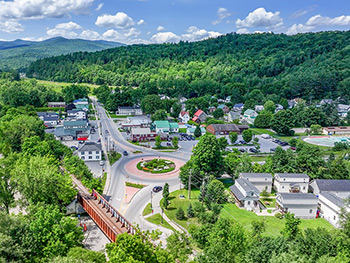
The Mad River Valley includes the towns of Waitsfield, Warren, Fayston, and Moretown, all connected by Route 100 and the Mad River itself, which runs through the center of the valley.

What defines the Valley is its strong sense of place. It hasn’t developed in the same way as other mountain regions—there’s no single dominant downtown or commercial center. Instead, it’s a network of small villages, farms, and mountain roads shaped by both long-time residents and a steady presence of second-homeowners.

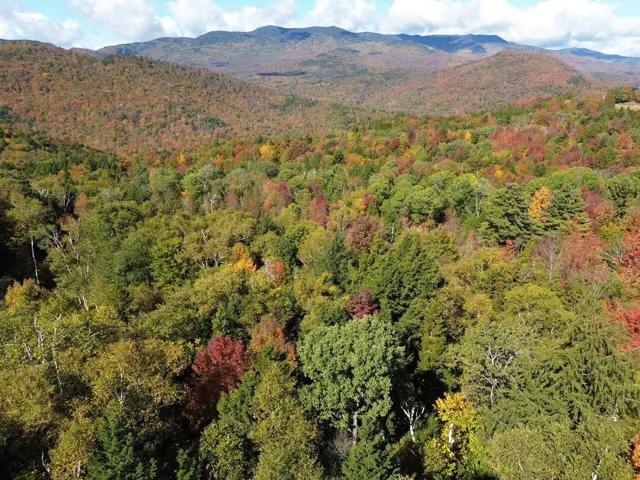
Daily life here is tied to the landscape. The mountains, river, and changing seasons influence how people work, commute, and spend their time, creating a rhythm that feels different from both resort towns and more traditional Vermont communities.

WHY PEOPLE CHOOSE THE MAD RIVER VALLEY

Strong identity and sense of community

  • Independent, locally driven culture
  • Less commercialized than other mountain areas


Access to mountain and river landscapes

  • Hiking, biking, and skiing built into daily life
  • Scenic drives and open land throughout the valley


Village-based living

  • Small centers like Waitsfield and Warren
  • Surrounding rural properties and farmland
Waitsfield Foggy Morning

SUGARBUSH & MAD RIVER GLEN

In the Mad River Valley, Sugarbush Resort and Mad River Glen anchor winter, offering two distinct mountain experiences within the same region.

Sugarbush Resort
Located in Warren, Sugarbush is one of the largest ski areas in New England, with over 100 trails spread across two mountains and a full range of terrain from beginner to expert. It offers a more developed resort experience, with multiple base areas, dining, lodging, and year-round amenities that extend beyond the ski season.

Mad River Glen
Just nearby in Fayston, Mad River Glen offers a different approach, known for its traditional, terrain-focused skiing and cooperative ownership. With narrower trails that follow the natural contours of the mountain and a long-standing emphasis on preserving the original ski experience, it remains one of the most distinctive mountains in the Northeast.

Jane Doe - Burlington, VT

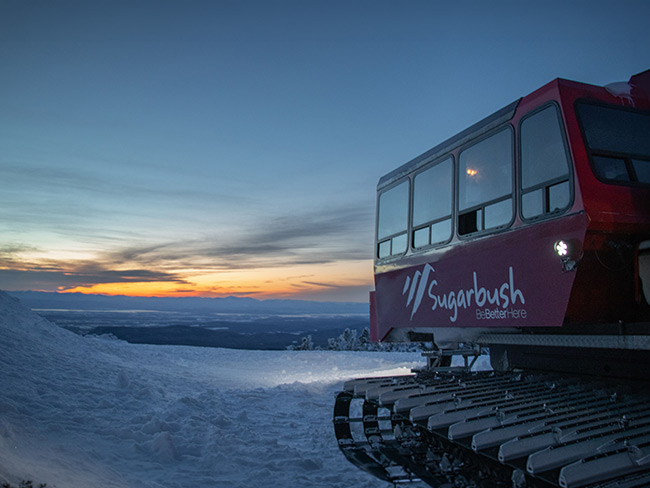
Sugarbush Resort trail groomer

DAILY LIFE IN the Mad River Valley

Some residents work locally in hospitality, trades, and small business, while others commute toward Montpelier or I-89. Remote work is common due to the rural setting.

Dining and shopping are centered around local businesses. Weekly routines often include farmers markets, cafés, and small specialty shops rather than larger retail centers.

Outdoor access is constant, but it’s not just recreation—it’s part of daily life. Residents build routines around the seasons, whether that’s time on the river, trails, or simply being outside.

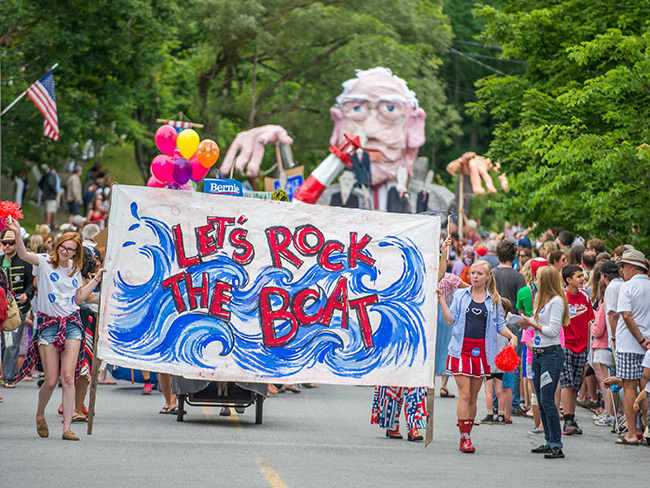
Warren Parade

RECREATION & OUTDOOR ACCESS

  • Mad River for swimming, fishing, and seasonal recreation
  • Hiking and biking throughout the Green Mountains
  • Access to mountain terrain and valley trails
  • Skiing and snowboarding at Sugarbush Resort and Mad River Glen, two distinct mountains that anchor winter in the Valley
  • Scenic drives and rural road networks
  • Year-round outdoor access shaped by the seasons


The terrain shifts quickly from open farmland to mountain ridgelines, and daily activity tends to follow that landscape.

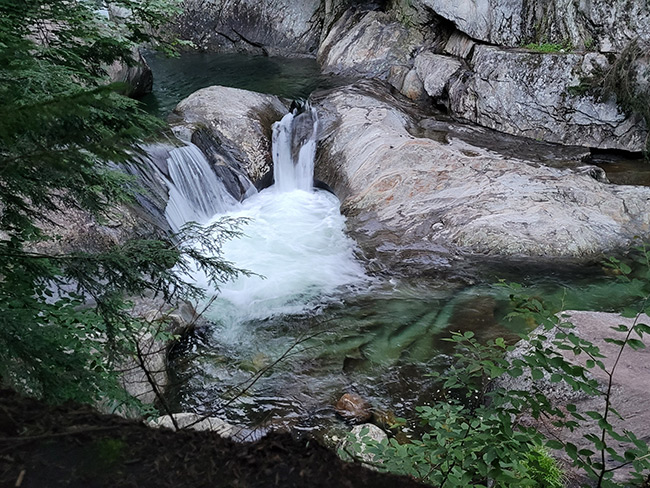
Warren Falls in Vermont

MAD RIVER VALLEY TOWNS

WAITFIELD

Waitsfield serves as the central hub of the Valley, with Irasville acting as its main commercial area. It offers the highest concentration of shops, restaurants, and services, along with a strong local culture tied to agriculture, arts, and community events.

WARREN

Warren is known for its village setting and proximity to the mountains. It combines historic character with access to higher-elevation terrain, along with a mix of primary residences and second homes. The village itself remains small and traditional, centered along the river.

FAYSTON

Fayston is more rural, with a focus on open land, forest, and mountain access. It appeals to those looking for quieter surroundings and proximity to outdoor recreation without a defined village center.

MORETOWN

Moretown sits at the northern edge of the Valley, offering a more residential feel with easier access to Montpelier and I-89. It acts as a transition between the Valley and Central Vermont.


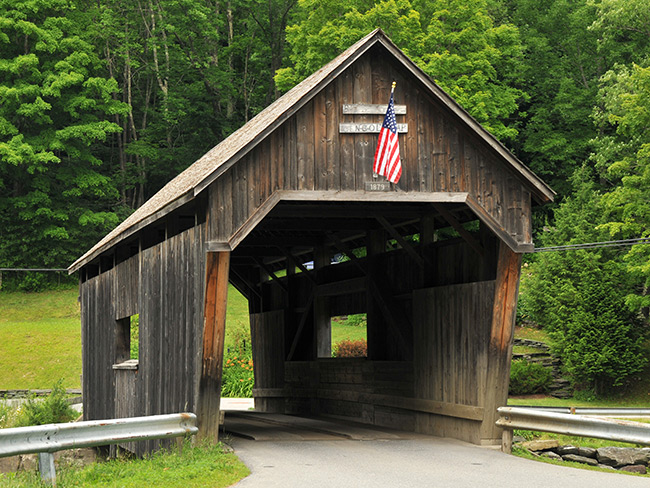
Lincoln Gap Bridge

Featured Mad River Valley Homes

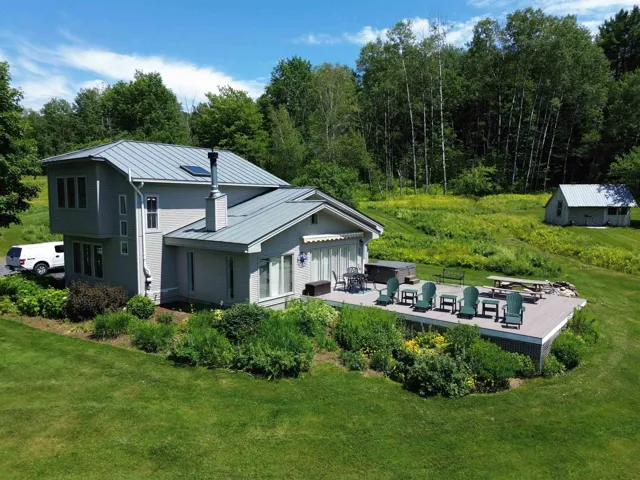
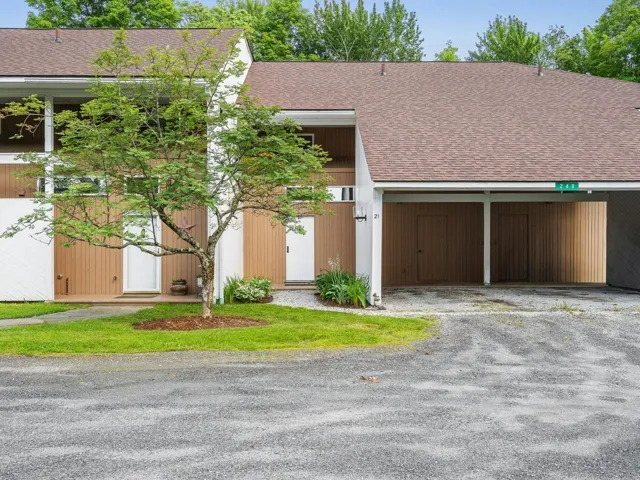
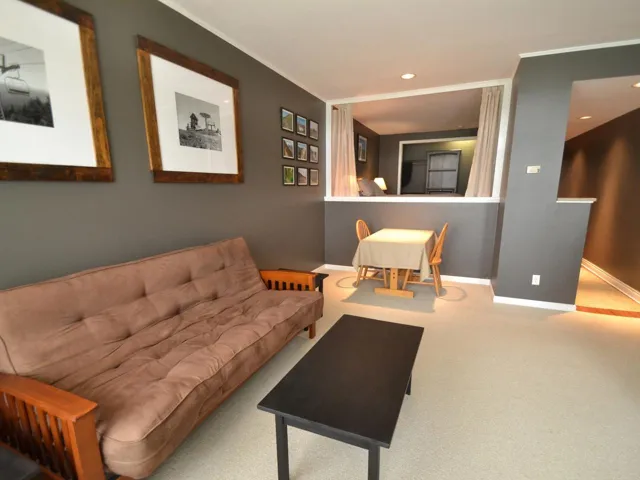
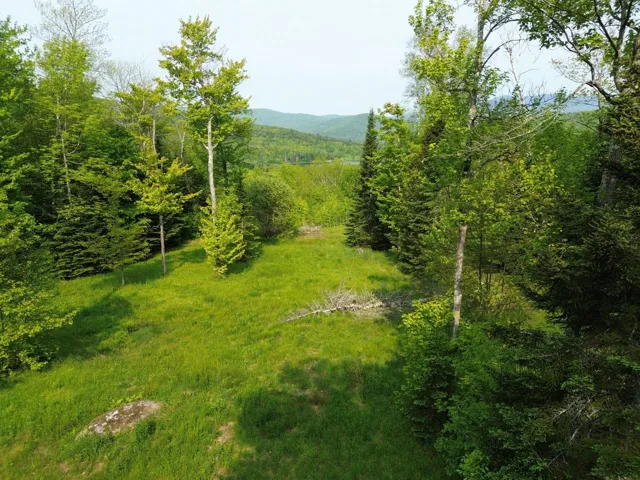
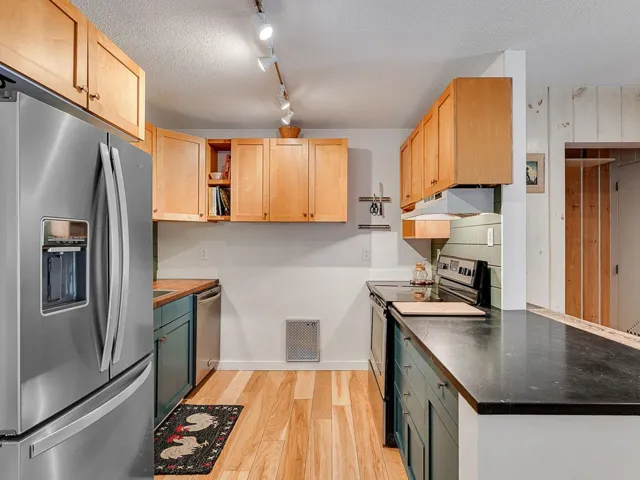
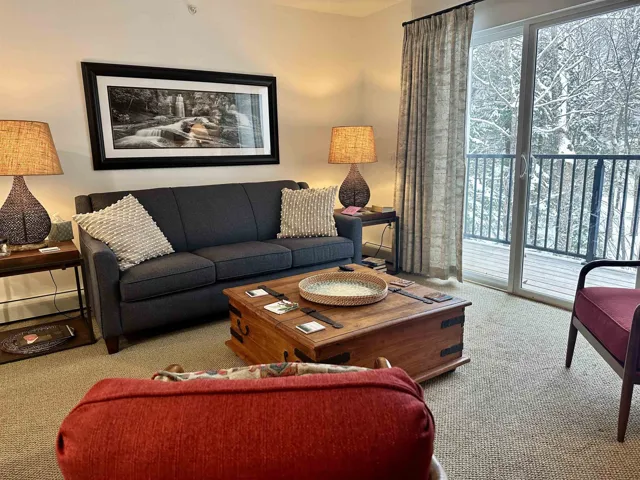
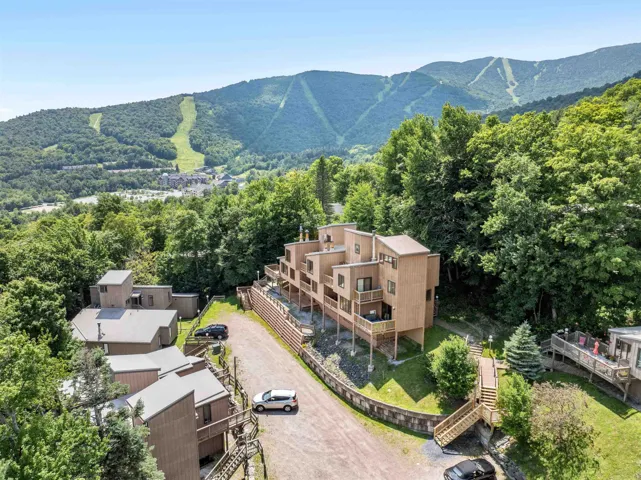
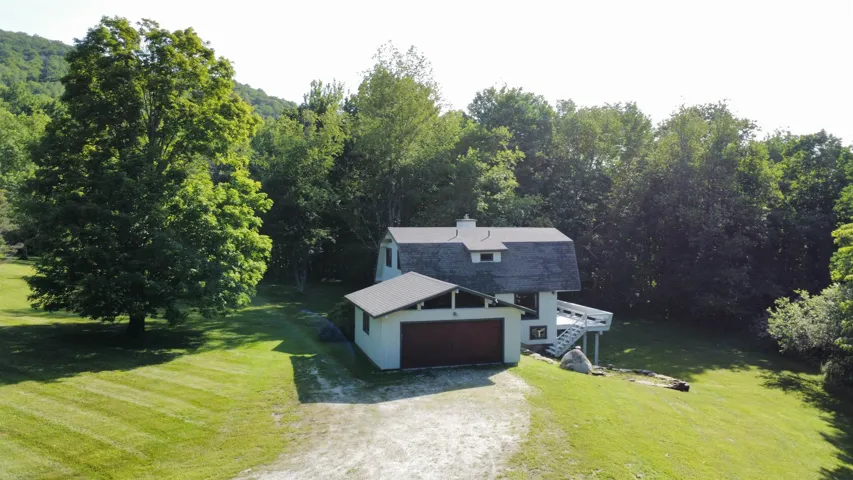
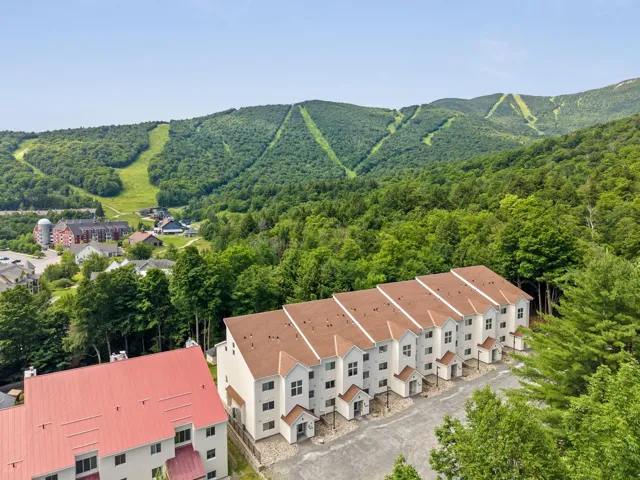
Ready to make the move? Here are some recently listed homes in the Mad River Valley to check out.

FAQs about the Mad River Valley, Vermont

Where is the Mad River Valley?

The Valley is located in Central Vermont, south of Waterbury and along Route 100, centered around Waitsfield and Warren.

It includes ski areas and attracts visitors, but it is not built like a traditional resort town. It remains community-driven and less commercialized.

Waitsfield, Warren, Fayston, and Moretown make up the core of what locals simply refer to as “the Valley,” a connected group of towns shaped by the Mad River and the surrounding mountain landscape.

Yes. Activities center around outdoor recreation, local food, arts, and community events rather than large-scale attractions. Residents spend time hiking and biking the surrounding trails, swimming in the Mad River and local swimming holes, or skiing at nearby mountains in winter.

Daily life also includes farmers markets, small galleries, local breweries, and long-standing restaurants, along with community events that repeat seasonally. It’s less about one-time destinations and more about places and routines people return to regularly.

It’s best suited for those looking for a rural, community-oriented environment with strong access to the outdoors and a slower pace of life.

It’s known for its natural landscape, strong local culture, and a balance between recreation and everyday community life. The Valley combines mountain terrain, working farmland, and small village centers, creating a setting that feels less developed and more locally driven than many other parts of Vermont.

It’s also recognized for its authenticity—what locals simply call “the Valley”—where outdoor access, local food, arts, and community involvement are part of daily routines rather than attractions. The combination of scenic beauty, independent culture, and a year-round community is what continues to define the area.

About Washington County

Washington County sits at the geographic center of Vermont, where the Green Mountains, river valleys, and a mix of small cities and rural towns shape how people live day to day. The county includes Montpelier, Barre, and Waterbury, along with smaller towns that range from village centers to more rural settings.

What defines Washington County is its balance. It functions as both a working region—anchored by state government, local industry, and regional employers—and a place with consistent access to outdoor recreation. Within a short drive, you move between downtown areas, farmland, and mountain terrain, with the Winooski River and surrounding landscapes influencing daily routines.

Featured Recreation & Cultural Highlights

  • VERMONT STATE HOUSE Located in Montpelier, the gold-domed State House is one of the oldest active legislative buildings in the country and remains central to the region’s identity. It anchors daily activity in the capital and reflects the county’s role in state government.
  • Hubbard Park In Montpelier, Hubbard Park spans over 200 acres of forested land just beyond the State House, offering miles of trails and a historic stone observation tower overlooking the city. The park and its trail network remain a central part of daily life, reflecting the area’s connection to outdoor access within a small-city setting.
  • WATERBURY RESERVOIR & LITTLE RIVER STATE PARK Near Waterbury, this area offers one of the most accessible outdoor destinations in Central Vermont, with boating, swimming, camping, and trail systems used throughout the year.
  • ROCK OF AGES QUARRY In Barre, one of the largest granite quarries in the world highlights the area’s long-standing connection to craftsmanship and industry. The quarry and surrounding sites continue to define the region’s character and history.
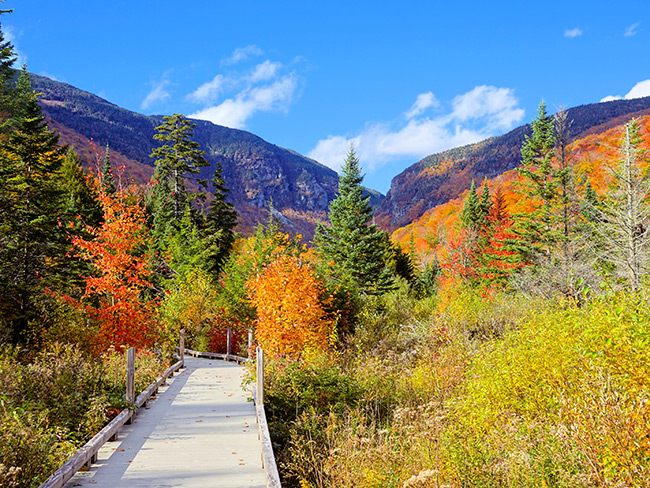
Smuggler Notch Fall Boardwalk 1

Copyright 2026 PrimeMLS, Inc. All rights reserved. This information is deemed reliable, but not guaranteed. The data relating to real estate displayed on this site comes in part from the IDX Program of PrimeMLS. The information being provided is for consumers’ personal, non-commercial use and may not be used for any purpose other than to identify prospective properties consumers may be interested in purchasing. Data last updated 07/16/2026.

© 2026 Hickok & Boardman, Inc. All rights reserved. Coldwell Banker® and the Coldwell Banker Logo are registered service marks owned by Coldwell Banker Real Estate LLC. Hickok & Boardman, Inc fully supports the principles of the Fair Housing Act and the Equal Opportunity Act. Each franchise is independently owned and operated. Any services or products provided by independently owned and operated franchisees are not provided by, affliated with or related to Coldwell Banker Real Estate LLC nor any of its affiliated companies.

Compare Properties

Compare
You can only compare 4 properties, any new property added will replace the first one from the comparison.