
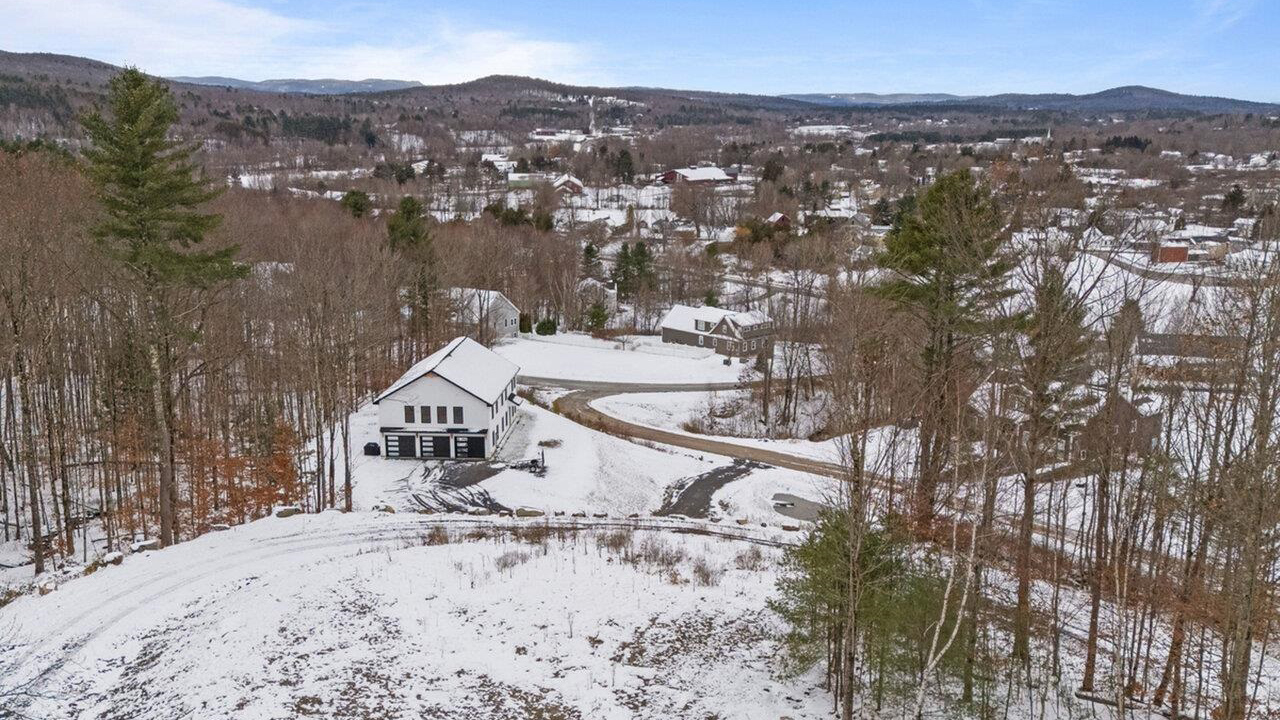
The 2025 land market across Northwest and Central Vermont is measured and selective. It continued to cool from its pandemic-era peak, settling into a slower, more discerning environment. Across the five counties, the median land price dipped slightly to $140,000, while sales activity edged up modestly. Inventory increased, and days on market stretched further, underscoring a shift toward patient buyers who are carefully weighing development costs, permitting hurdles, and long-term use. This is a market segment driven by practicality, zoning realities, and site-specific value.
| Land | MEDIAN SALE PRICE | VS 2024 | UNITS SOLD | VS 2024 | NEWLY LISTED | VS 2024 | DAYS ON MARKET | VS 2024 |
|---|---|---|---|---|---|---|---|---|
| Northwest & Central Vermont | $140,000 | -5.40% | 233 | 3.60% | 470 | 6.80% | 117 | 10% |
| Chittenden County | $241,000 | 7.10% | 46 | 2.20% | 88 | -6.40% | 99 | 22.20% |
| Addison County | $138,750 | 16.10% | 38 | -20.80% | 96 | 28.00% | 111 | 9.90% |
| Franklin County | $100,000 | 11.10% | 49 | 14.00% | 108 | 4.90% | 167 | 32.50% |
| Grand Isle County | $97,500 | 8.30% | 20 | -13.00% | 41 | -6.80% | 125 | -33.90% |
| Washington County | $112,500 | -22.40% | 80 | 21.20% | 137 | 10.50% | 98 | 18.10% |
Chittenden County proved to be the strongest and most resilient land market. Prices increased again, supported by limited supply, development pressure, and long-term housing demand. Well-located parcels remain competitive. Washington County was one of the most active land markets by volume, but pricing declined noticeably.
Buyers here are cost-conscious and factoring in site work, access, and infrastructure. In Addison County, prices rose modestly, though fewer parcels sold. Buyers are deliberate, often focused on residential or small-scale agricultural use. Active but price-sensitive, Franklin County land sales increased, but longer days on market point to buyers pushing harder on value especially for raw or remote land.
Demand remains for land in Vermont, but it has become more thoughtful. Successful outcomes depend on understanding local zoning, development feasibility, and true end-use potential making local expertise and realistic expectations critical on both sides of the transaction.